Estonian Defence Week 2026: What We Saw in Tallinn and Why the Baltics Matter for Defence Tech
Our CEO Solomiia Kots and Tech Lead David Kukharchuk spent three days at Estonian Defence Week and the Tallinn Defence Expo. Here is what the Baltic defence ecosystem looks like from the inside, what buyers asked for, and why we think the region is the best place in Europe to build dual-use technology right now.

By Solomiia Kots
CEO at Mirko
Mirko has had an office in Tallinn since 2022, so Estonian Defence Week was not a trip abroad for us. It was still the first time we walked the halls of the Tallinn Defence Expo (22–24 September 2026) as a company with a maritime security platform in production. The conversations were different from a software conference: shorter, more specific, and almost always ending with the question "what can you deliver by spring?"
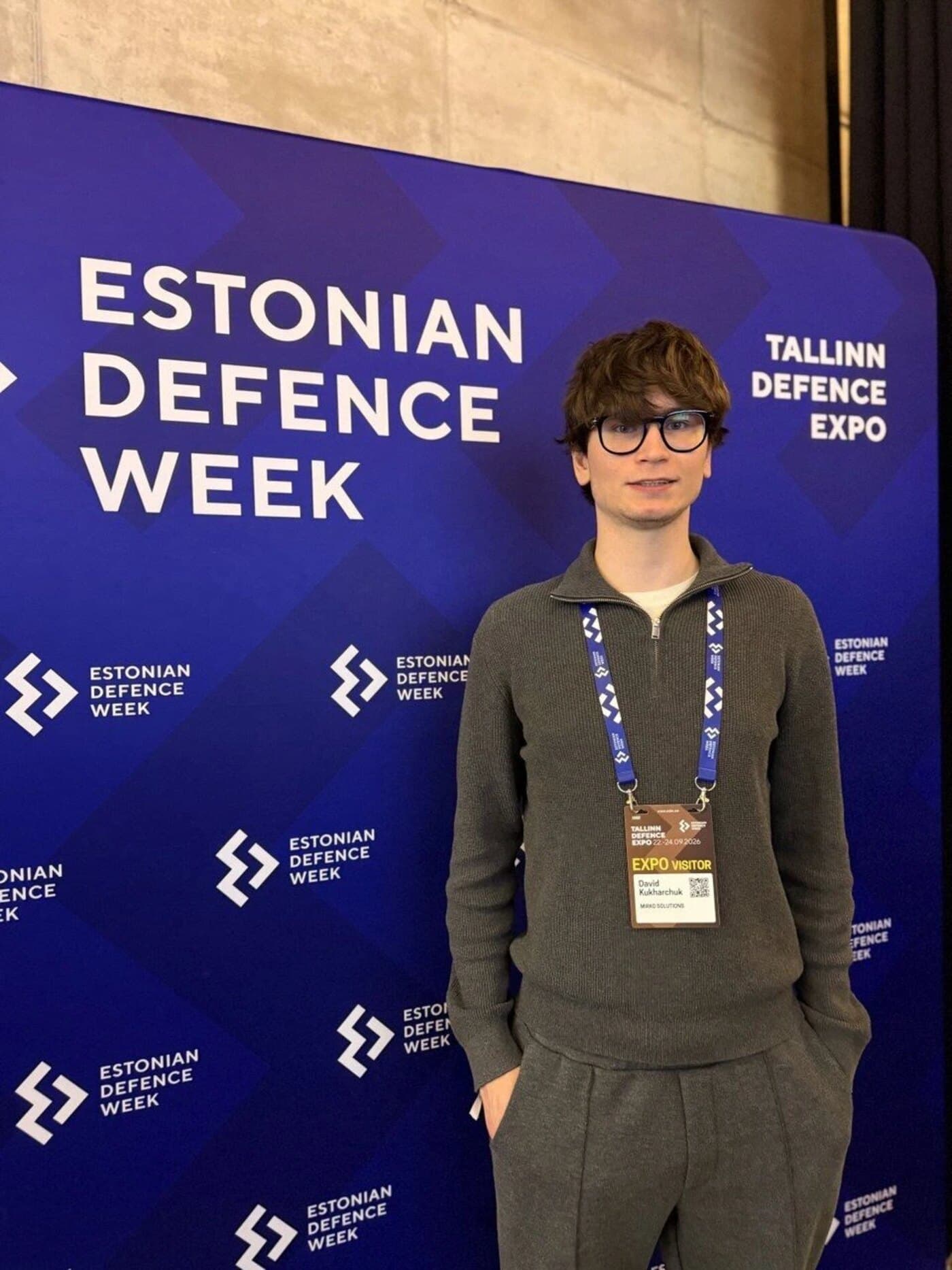
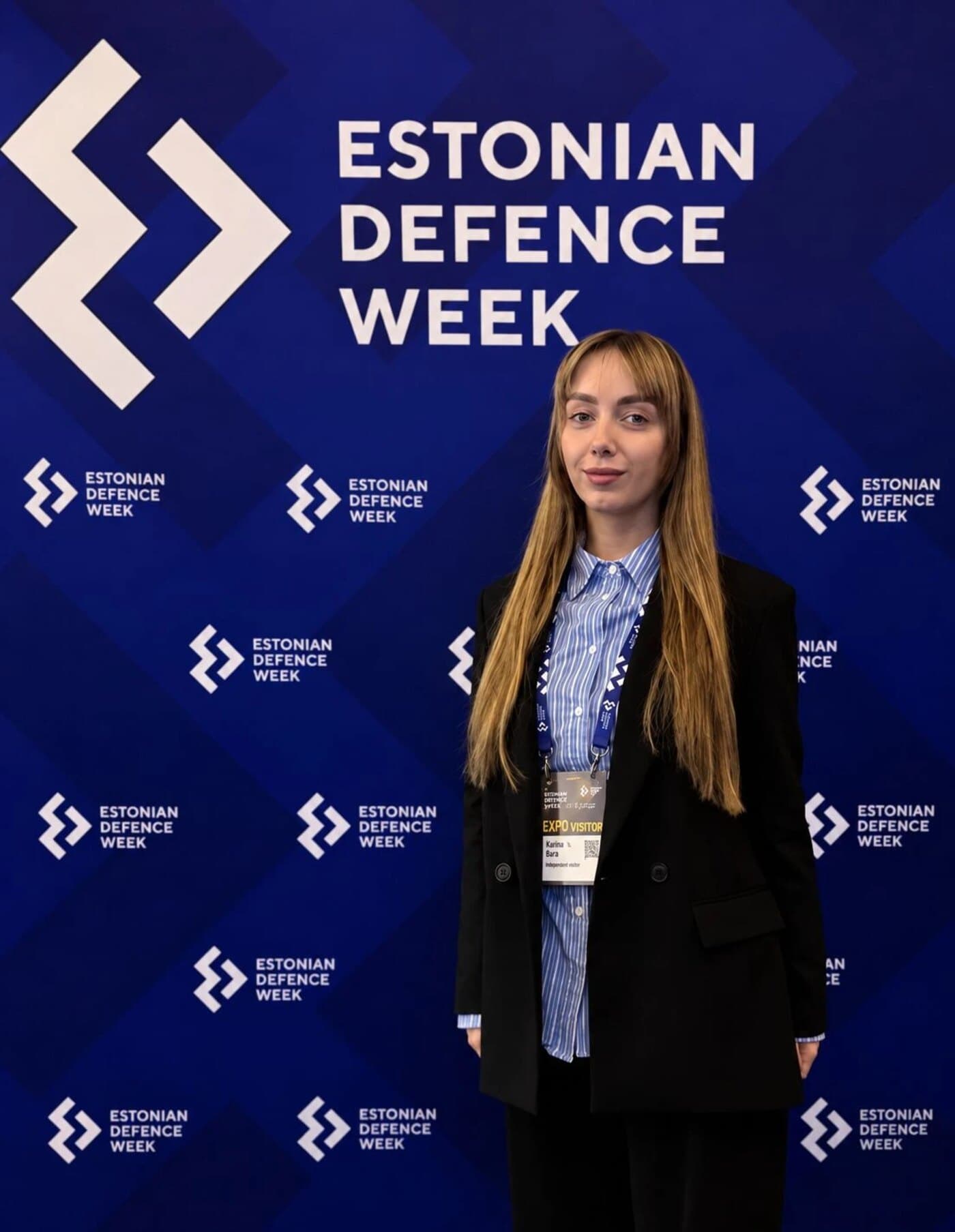
Solomiia summed it up on LinkedIn afterwards: "Estonian Defence Week was a valuable reminder that the future of defence will be shaped not only by technology, but by the ability to build strong, trusted partnerships around it. Collaboration is no longer an option in defence. It is a strategic necessity." David's note was more practical: meeting professionals from the defence and technology sectors, exchanging ideas and learning where the industry is actually heading rather than where the slides say it is.
What the Baltic ecosystem looks like
Estonia spends well above NATO's target on defence and has turned that spending into an unusually open procurement culture. Startups show prototypes to the Defence Forces within weeks, not years. Latvia and Lithuania run similar programmes, and the three countries share one geography: a long coastline, critical cables and interconnectors across the Baltic Sea, and a neighbour that tests hybrid tactics constantly. The result is a market where dual-use technology is not a marketing phrase but a buying criterion.
Themes that dominated the expo
- Maritime domain awareness and protection of subsea infrastructure, after the cable incidents of recent years.
- Drones everywhere: aerial, surface and underwater, and the counter-drone systems that follow them.
- Data fusion and AI decision support, with a strong emphasis on explainability and on keeping humans in the loop.
- Sovereign deployment: on-premises and national-cloud requirements came up in nearly every conversation.
- Speed: buyers asked for pilots in months and were sceptical of multi-year roadmaps.
What buyers asked us
Because we engineer BlueShadow, most conversations started with the sea. Navies and coast guards wanted to know how dark ships are correlated across sensors and how quickly a threat score updates. Wind farm and cable operators asked a simpler question: can we get an operating picture around our assets without building a military-grade sensor network? The answer, through commercial data sources fused with client sensors, is yes, and it was the most frequent follow-up meeting we booked.
The second cluster of questions was about AI governance. Procurement teams have read enough about hallucinating models to ask how a decision-support system is tested and audited. Our answer is the same one we give banks and pharma companies: evaluation datasets, release gates, explainable scores and approval gates for anything irreversible. It landed well because it is concrete.
Why we are doubling down on the Baltics
Three reasons. The buyers are close, decisive and technically literate. The problems are real and urgent, which keeps engineering honest. And the ecosystem is collaborative: Estonian, Nordic and Ukrainian teams were comparing notes openly, and several partnership conversations from the expo are already turning into joint proposals. For a company founded in Lutsk with an office in Tallinn, this is home ground.